What is cupping therapy?
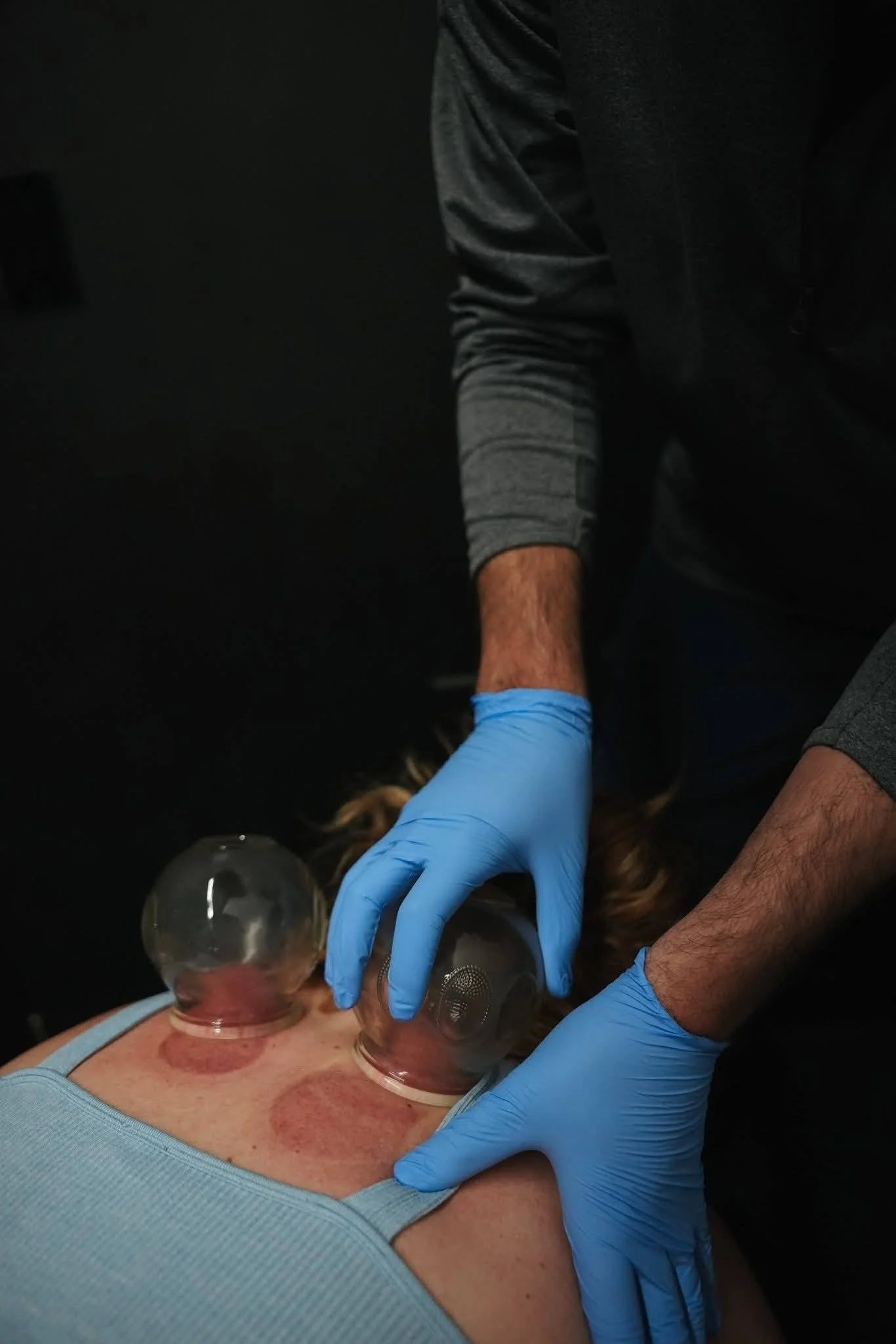
Many people see the marks left behind from cupping therapy and think, WHAT THE HECK? Most people also think those bruises must also mean cupping therapy is painful. However, most cupping therapy is not painful at all, with just mild post-treatment muscle soreness, similar to a post-workout soreness.
While most first remember seeing cupping on Michael Phelps during his iconic run in the Olympics, cupping has been around for THOUSANDS of years! Because of it being around for thousands of years, many people think of it as a pseudoscience that’s outdated. HOWEVER, CUPPING THERAPY IS SUPPORTED BY CLINICAL EVIDENCE IN MULTIPLE HIGH LEVEL PEER-REVIEWED MEDICAL JOURNALS!
SO WHAT THE HECK IS CUPPING?!
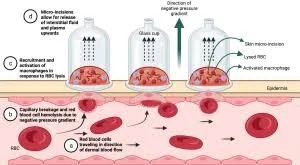
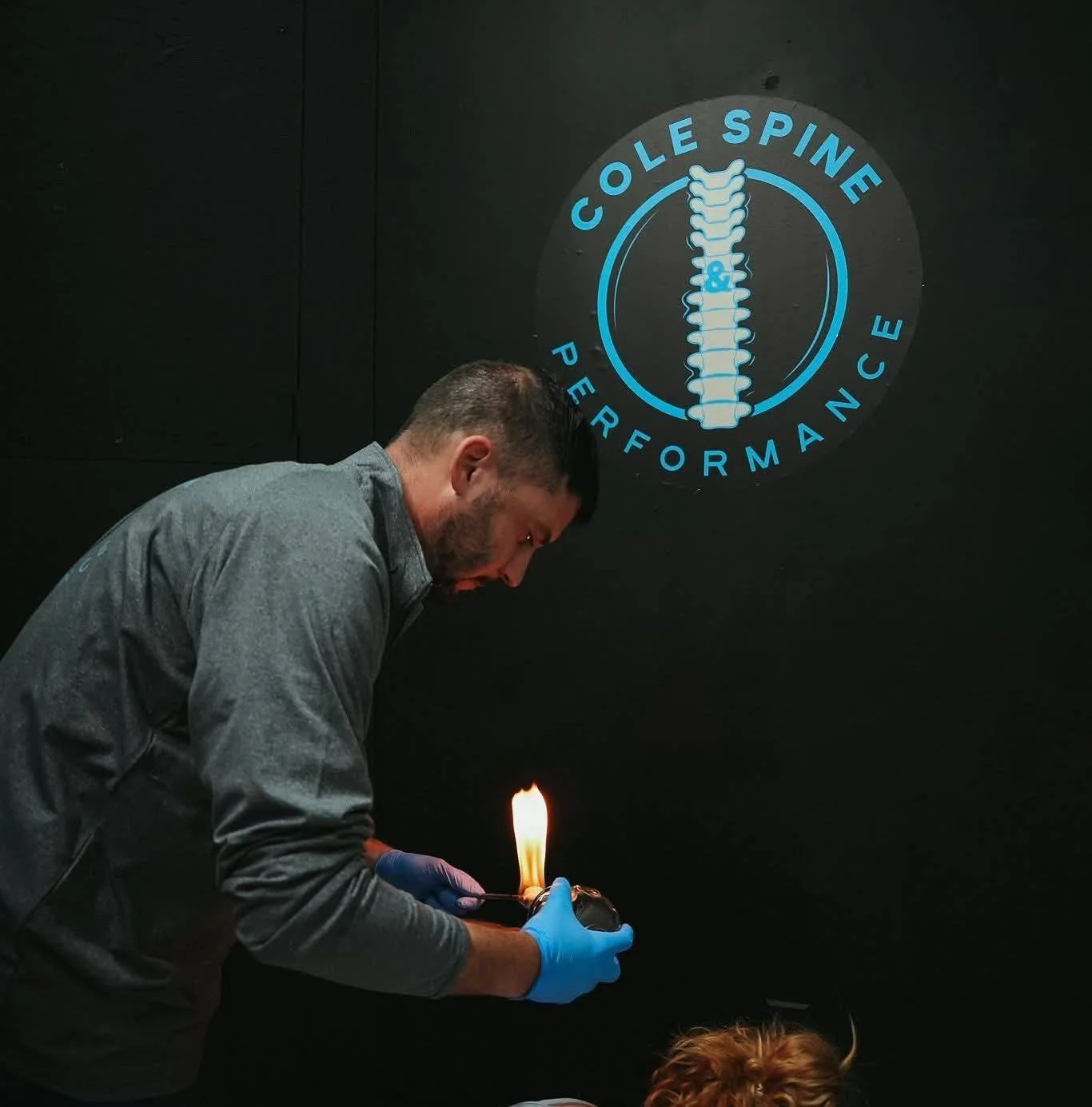
Traditionally, cupping was performed with bamboo or clay metal cups. More modern cups are made from glass, plastic and now even silicon and some cups now even have built in red light therapy! Despite the change over time, the concept remains the same… apply suction to a muscle area to increase blood flow to that area and promote healing!
From a traditional eastern medicine approach or traditional Chinese medicine approach, cupping is used to move the body’s stagnant Qi (energy). From a more modern or western medicine approach, cupping improves blood flow to draw out toxins and relive pain. But does it work?!
Cupping therapy demonstrates moderate efficacy for chronic musculoskeletal pain, particularly low back pain and neck pain, compared to no treatment, or usual care.
For low back pain specifically, cupping significantly improves pain at 2-8 weeks (SMD = 1.09), Wet cupping appears more effective than dry cupping for pain reduction (SMD = 1.5 vs 1.06). Cupping also demonstrates medium-sized effects on disability compared to no treatment with improvements sustained at 1-6 months follow-up.
Mechanism of Action
Cupping induces significant hemodynamic changes in treated tissue. Studies demonstrate that cupping causes a prominent elevation in deoxyhemoglobin and significant drop in oxyhemoglobin during treatment, with blood vessel density increasing by 64% and total hemoglobin concentration rising 40-62% in arteries and veins. In simple terms? CUPPING INCREASES OXYGENATED BLOOD TO THE AREA, HELPING TO PROMOTE HEALING AND MUSCLE RECOVERY!
Cupping therapy also produces immediate increases in pressure pain thresholds, suggesting modulation of local pain perception, though these effects appear transient.
In conclusion, cupping is backed by science and has been shown to be an effective treatment method to promote increased blood flow, resulting in improved healing and muscle recovery, as well as decreased pain and disability!
INTERESTED IN TRYING CUPPING? BOOK NOW!